Riverside County has a fascinating history shaped by citrus groves, early ranching communities, Indigenous heritage, historic railroads, military aviation, and the growth of Southern California’s inland valleys. From Downtown Riverside’s grand historic hotels and Victorian homes to Corona’s distinctive neighborhoods, Temecula’s ranching roots, and the desert communities beyond, there’s so much history woven into the places we know today.
One of my favorite things about exploring Riverside County is seeing how its communities have evolved while still preserving pieces of their past. Some landmarks are beautifully restored buildings and historic estates, while others are old agricultural landscapes, former transportation routes, and familiar places that tell the stories of generations before us. The county’s mix of established cities, growing neighborhoods, and open landscapes makes its history especially interesting to explore.
As a local REALTOR® with a passion for history, architecture, and preservation, I’ve put together this collection to highlight some of the places that make Riverside County unique. Whether you’re a history enthusiast, an architecture lover, or simply curious about your neighborhood, I hope it inspires you to explore, appreciate, and discover something new.
Explore Historic Riverside County
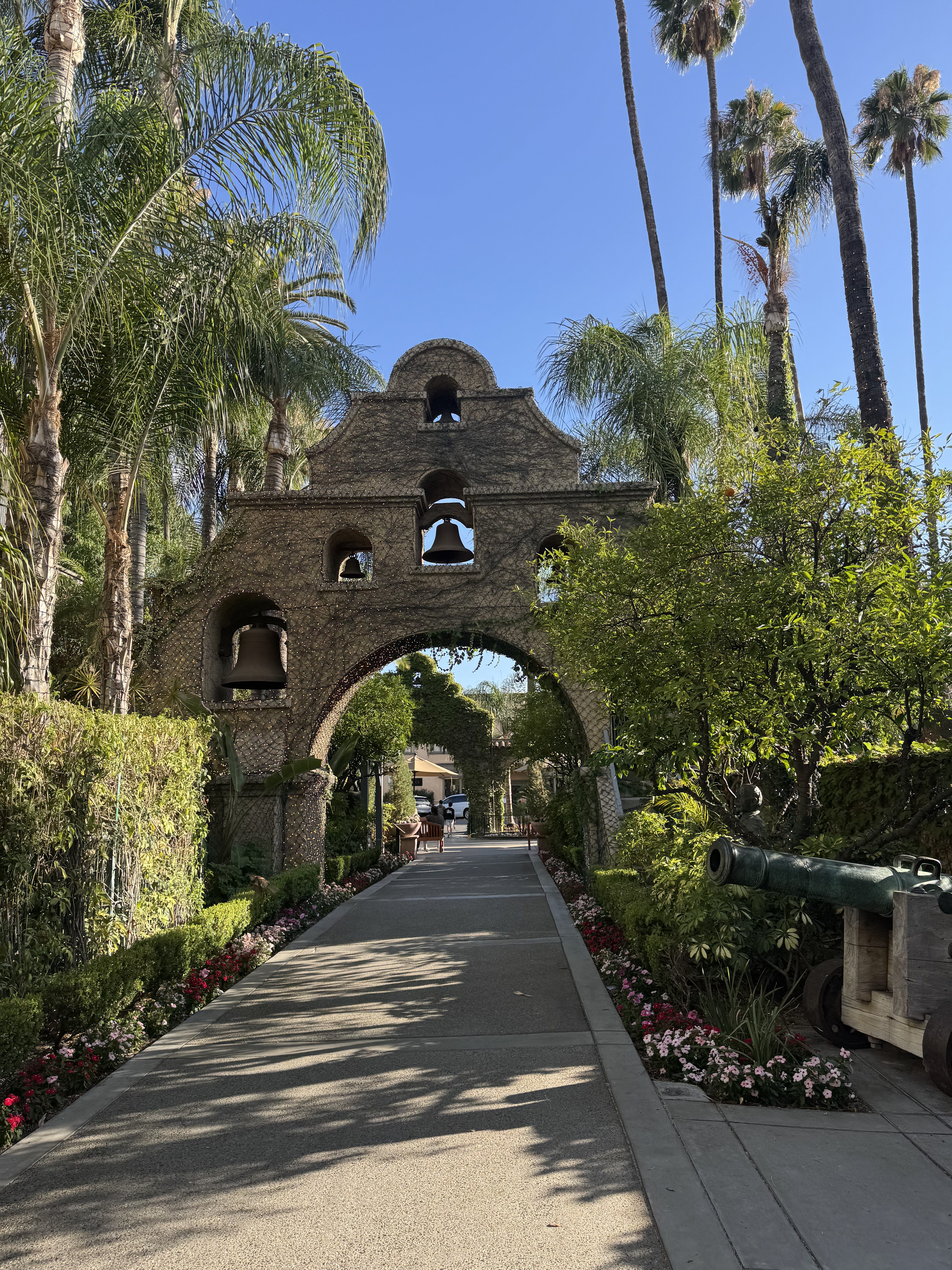
Mission Inn Hotel & Spa – Riverside | Mission Revival / Spanish Colonial Revival
Beginning as a modest boarding house in 1876, the Mission Inn evolved under the vision of Frank Miller into one of Southern California’s most remarkable historic hotels. Its grand arches, courtyards, towers, and architectural details collected from around the world make it an iconic symbol of Riverside’s history and hospitality.
Heritage House – Riverside | Queen Anne Victorian
Built in 1891 for Catharine Bettner, this beautifully preserved Victorian residence offers a glimpse into Riverside’s prosperous citrus-growing era. Its ornate woodwork, period furnishings, historic carriage house, and gardens bring the everyday life of a late 19th-century household into focus.
Harada House – Riverside | Historic Residence / Civil Rights Landmark
This modest historic home holds an extraordinary place in California civil rights history. Purchased in 1915 by Japanese immigrant Jukichi Harada in the names of his American-born children, the property became the center of a landmark legal battle over discriminatory land ownership laws. Today, it stands as a powerful reminder of the struggle for equal rights, citizenship, and belonging.
Fox Performing Arts Center – Riverside | Spanish Colonial Revival
Opened in 1929, this beautiful downtown theater once welcomed moviegoers, vaudeville performers, and Hollywood premieres. Known for hosting the first public screening of Gone with the Wind in 1939, the restored Fox remains an important piece of Riverside’s cultural and entertainment history.
Riverside County Courthouse – Riverside | Beaux-Arts
Completed in 1904, the Riverside County Courthouse is one of the city’s most impressive civic landmarks. Its elaborate facade, classical columns, and grand architectural details reflect the ambition and prosperity of Riverside during the early 20th century.
Riverside Municipal Auditorium – Riverside | Mission Revival / Spanish Colonial Revival
Dedicated in 1929 as a memorial to local servicemen who died during World War I, this historic auditorium has welcomed generations of community gatherings and performances. Its distinctive architecture and continued use make it an important part of Downtown Riverside’s identity.
California Citrus State Historic Park – Riverside | Agricultural Heritage / Historic Landscape
Once a hitching post stop for stagecoaches, this steakhouse is a historic staple on Route 66. Its glowing lamp sign and old-school charm make it a favorite for locals and visitors alike.
Victoria Avenue – Riverside | Historic Parkway / Cultural Landscape
One of Riverside’s most beautiful historic corridors, Victoria Avenue is known for its mature trees, rose gardens, and connections to the city’s citrus-growing past. Its landscape design, dating to the 1890s, reflects the importance of thoughtful planning and preservation in shaping Riverside’s character.
First Congregational Church of Riverside – Riverside | Spanish Renaissance Revival
Completed in 1913 and designed by architect Myron Hunt, this historic church is recognized for its striking tower and elaborate Spanish-inspired details. Its architecture reflects Riverside’s growth and appreciation for distinctive civic and religious buildings during the early 20th century.
Universalist-Unitarian Church of Riverside – Riverside | Gothic Revival
Built in 1891, this historic sandstone church is a beautiful example of Gothic Revival architecture in Downtown Riverside. Its stone exterior, stained glass, and carefully preserved details offer a glimpse into the city’s early religious and architectural heritage.